Heartbeat International is supporting the State of Louisiana in its ongoing bid for the federal government to protect women from harmful chemical abortion drugs and coerced abortion.
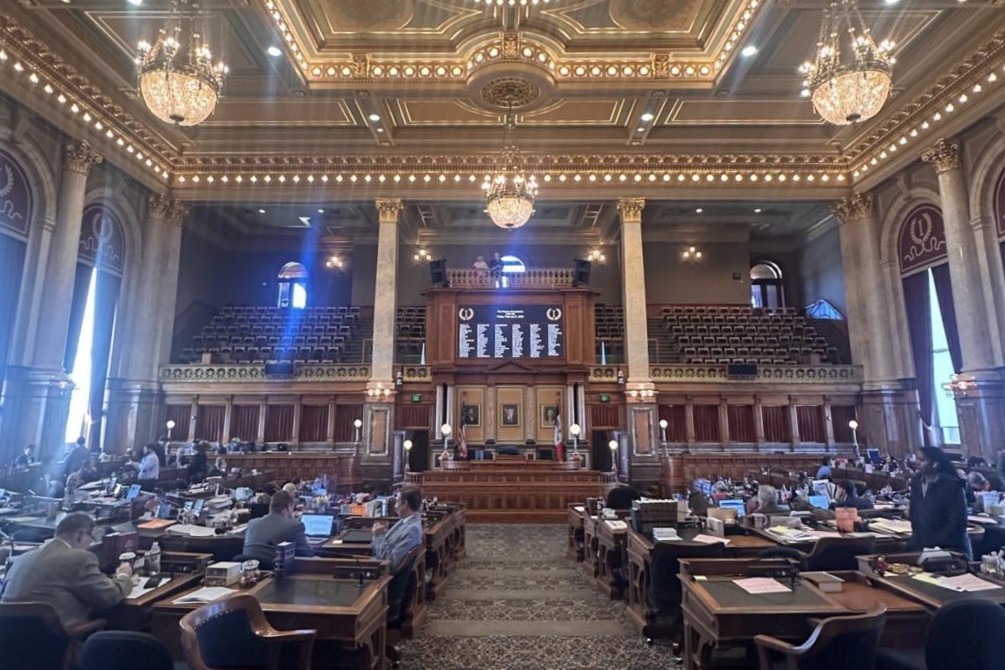
The State of Louisiana and Rosalie Markezich, a Louisiana woman coerced into taking abortion drugs, are suing the U.S. Food and Drug Administration (FDA) for unlawfully approving mail-order abortion drugs.
Louisiana and Markezich filed an appeal Wednesday after a judge from the Western District Court of Louisiana granted the Trump Administration’s request to stay State of Louisiana et al v. Food and Drug Administration until the FDA conducts its long-awaited review of chemical abortion drug mifepristone.
[Click here to subscribe to Pregnancy Help News!]
The case centers on the permanent removal of the in-person dispensing requirement for mifepristone in 2023 by the Biden FDA, which critics say further paved the way for coerced abortion and chemical abortion pills to be unlawfully trafficked into states where they are prohibited.
The Trump FDA petitioned the court Jan. 27 to pause the state’s lawsuit in while the FDA continues the mifepristone safety review. While the stay was granted, the judge ruled that the state and Markezich “are likely to succeed on the merits” owing to the FDA’s “own shortcomings” in loosening mifepristone’s safety restrictions.
Pro-life and pregnancy help advocates have continually urged the FDA to reinstate common sense safety standards for mifepristone, which included among other things an initial in-person doctor visit to rule out ectopic pregnancy and other serious conditions, and a follow-up visit to screen for life-threatening complications, such as internal bleeding and infection.
After varied reductions in safety regulations for chemical abortion drugs beginning with the Obama FDA in 2016, the FDA further lessened its requirements, permitting them to be dispensed by pharmacies and delivered via mail. The Biden administration made access to the mifepristone without in-person dispensing permanent in 2023.
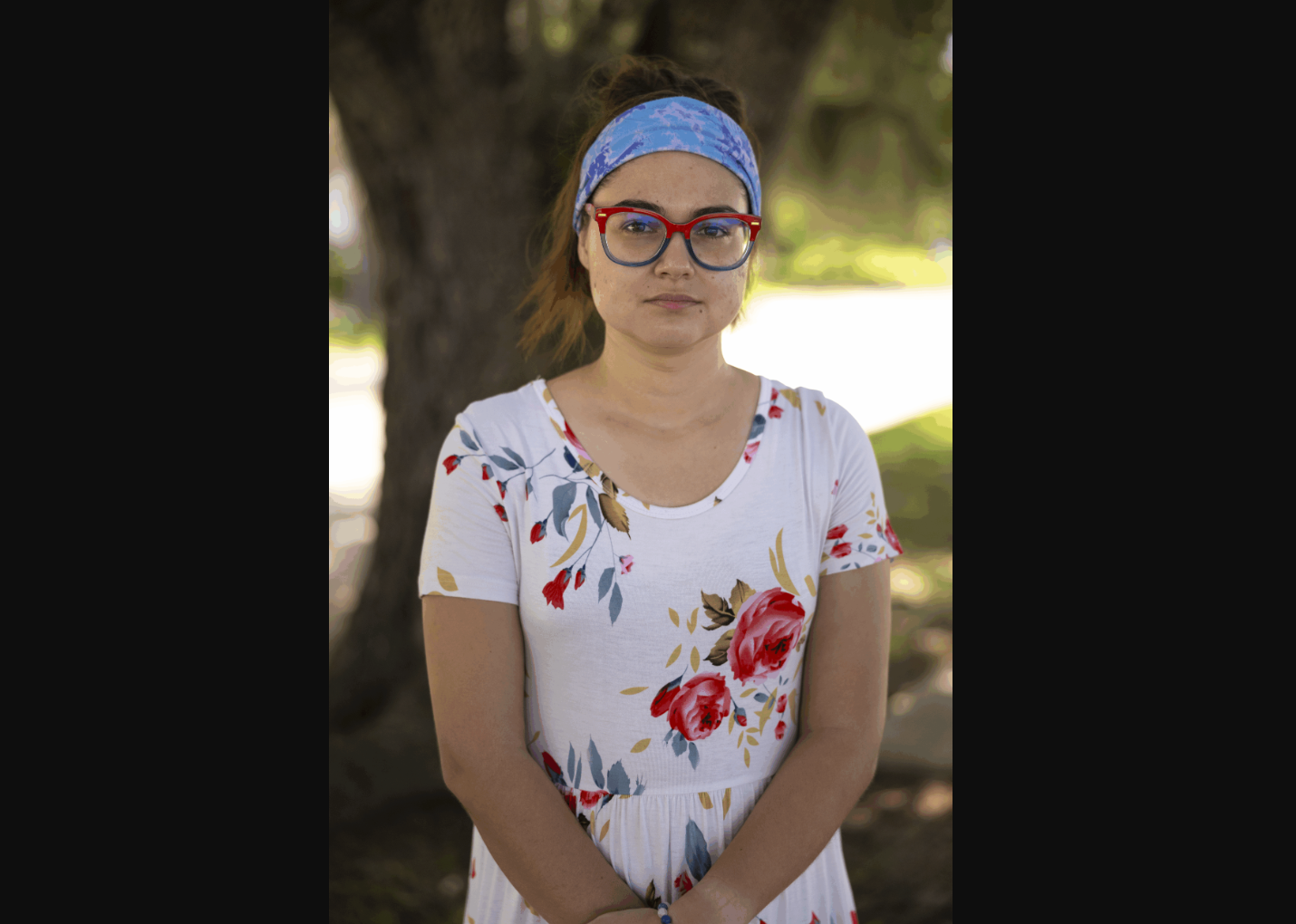
Markezich, represented by legal non-profit Alliance Defending Freedom (ADF), was coerced to take abortion drugs by her boyfriend, who obtained the drugs from a doctor in California, ending the life of her unborn child.
Heartbeat International, the largest network or pregnancy help organizations in the U.S. and globally, filed an amicus brief in the case in February, urging the court to suspend the 2023 REMS for mifepristone and direct the FDA to enforce the in-person dispensing requirement for the drug or otherwise enjoin the FDA’s enforcement of the 2023 REMS.
The FDA’s REMS, or Risk Evaluation and Mitigation Strategies, is a drug safety program that the U.S. Food and Drug Administration can require for "certain medications with serious safety concerns to help ensure the benefits of the medication outweigh its risks,” according to the FDA.
Mifepristone has a REMS classification, one of roughly 73 drugs with such classification, a small fraction of the thousands of prescription medications approved by the FDA. Mifepristone also has an FDA Black Box Warning, the highest level of safety warning.
Heartbeat argued that the FDA’s 2023 REMS “lowered the standard of care for treating a pregnant mother, placing her health at greater risk.”
This increased risk includes medical complications and harm to physical health, Heartbeat argued, along with abortion regret, emotional or psychological complications, and increased risk of coerced or forced abortions.
Heartbeat also manages the Abortion Pill Rescue Network (APRN), a network of approximately 1,500 healthcare professionals, pregnancy centers, and hospitals worldwide that administer the Abortion Pill Reversal protocol, to which pregnant women are connected via a 24/7 hotline.
Heartbeat said in its amicus brief it is “uniquely positioned to provide relevant factual background on the impact of removing certain health safeguards for mifepristone and misoprostol” … “given its regular interactions with women who have obtained abortion drugs they later regret ingesting as well as women who were coerced, such as Plaintiff Markezich, or even physically forced into taking abortion drugs obtained by others.”
“The Abortion Pill Rescue Network regularly takes calls from women who report that they were coerced or forced into taking abortion pills,” Heartbeat’s brief said, “and these women are urgently desiring to stop the abortion process begun without their consent.”
Occurrences of coerced and forced abortion owing to open access to chemical abortion drugs have increasingly emerged in the U.S. and abroad.
Heartbeat International General Counsel Danielle White reaffirmed the pregnancy help network’s concern for women in regard to safety issues with the chemical abortion pill after the State Louisiana and Markezich filed their April 8 appeal.
"Heartbeat supports Louisiana's tireless and well-justified advocacy on behalf of the women harmed by mifepristone and the FDA's inadequate protections governing the dispensing of this dangerous drug,” White said. “As we explained in our amicus brief at the district court level, the FDA has stripped away critical safety measures governing this black-box-warning medication, and countless women continue to pay the emotional, psychological, and physical price for that ongoing failure.”
Tweet This: the FDA has stripped away critical safety measures governing mifepristone and countless women continue to pay the price.
“The FDA's promised course-correction cannot come quickly enough," White said.
Editor's note: Heartbeat International manages the Abortion Pill Rescue® Network (APRN) and Pregnancy Help News. Heartbeat is currently the subject of two lawsuits brought by state AGs concerning sharing information about Abortion Pill Reversal.