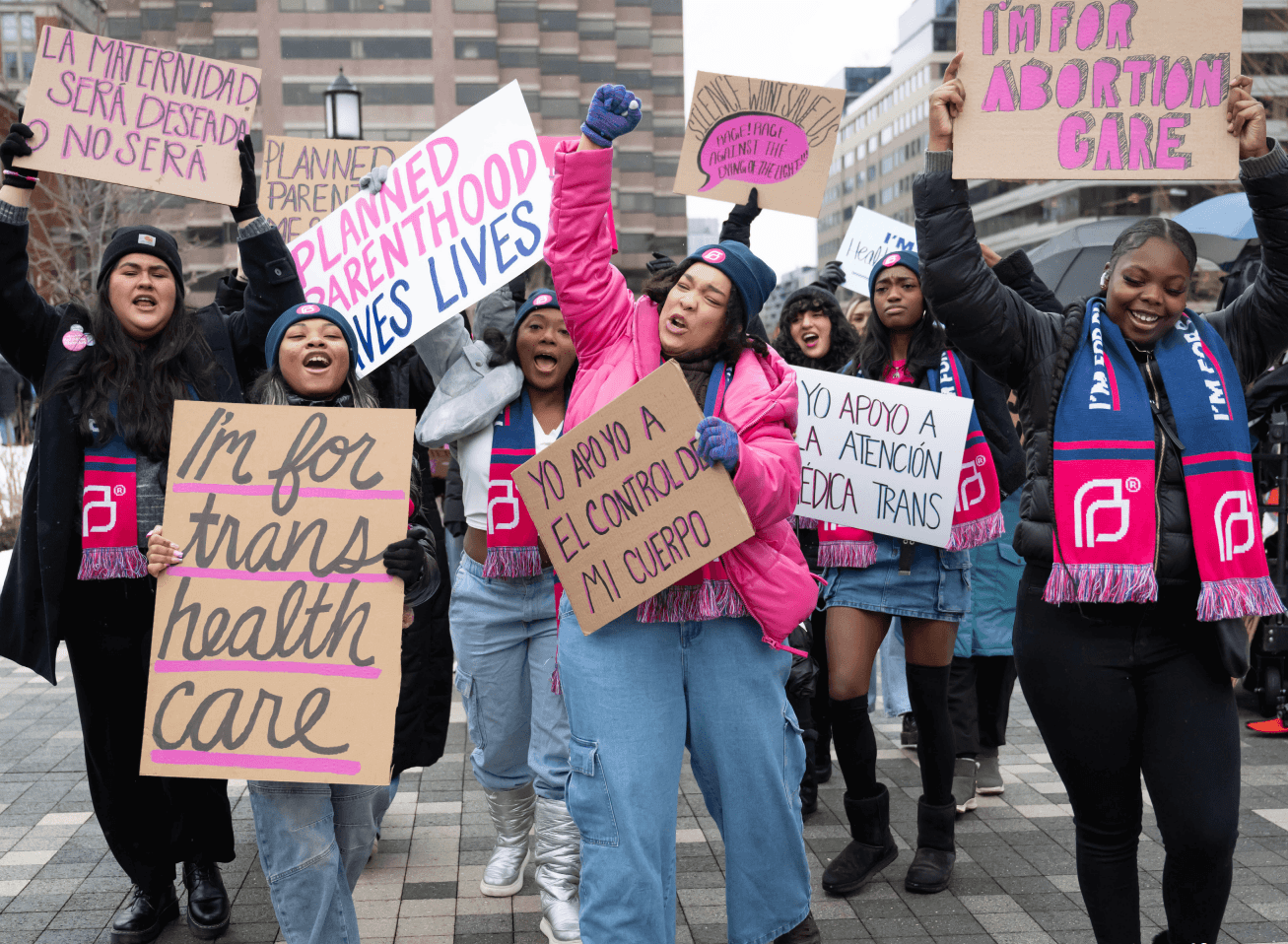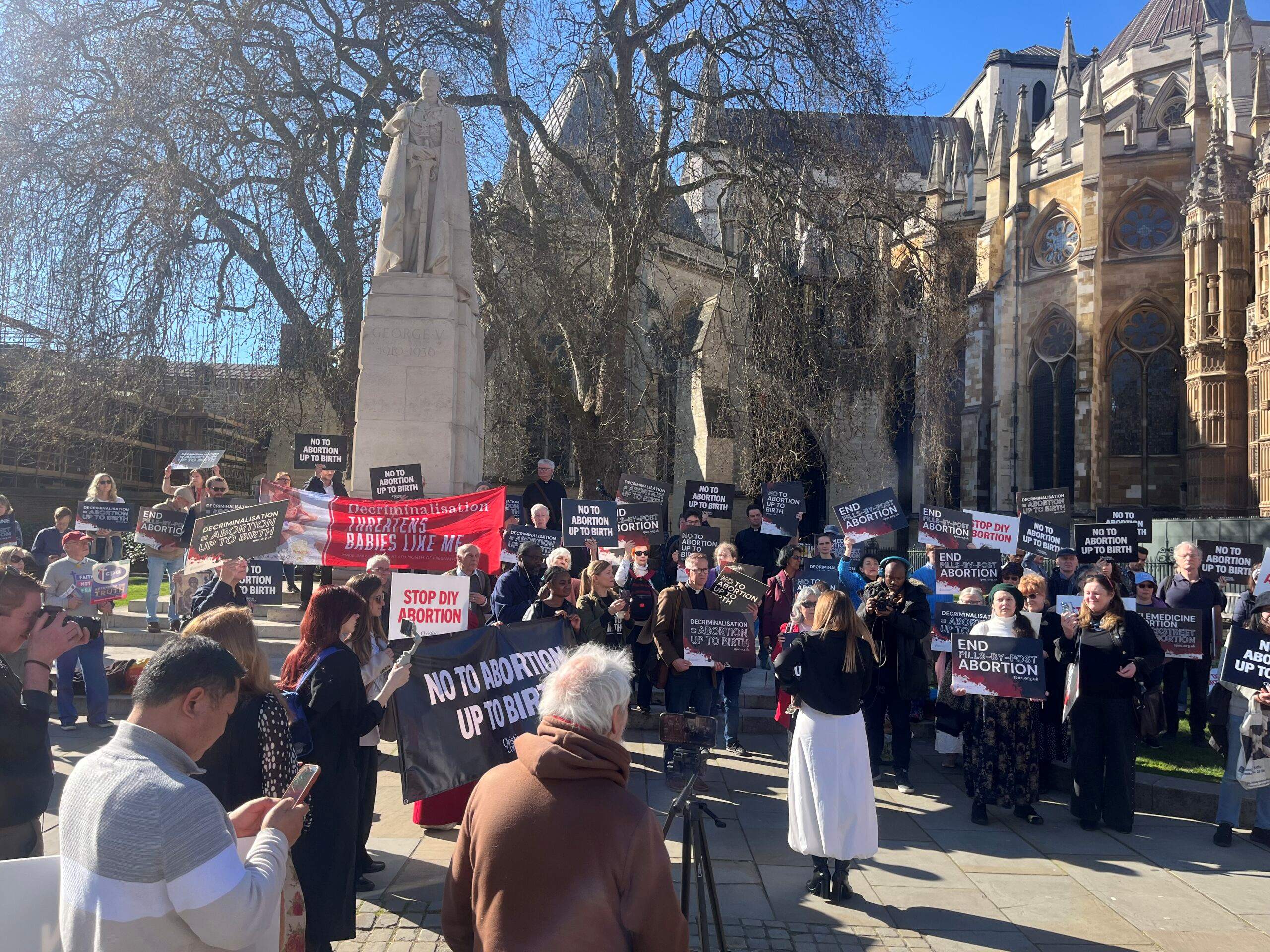
Since Roe v Wade was overturned with the Supreme Court Dobbs ruling in June 2022, the public has been inundated with stories implying or outright claiming that abortion restrictions are causing delay of emergency medical care and even maternal deaths. Usually, the line of reasoning goes something like this:
- Abortion is healthcare.
- Miscarriage management, ectopic pregnancy treatment, and premature parturition are abortions.
- States that outlaw or restrict abortion are limiting access to these medical treatments and others because the laws are written so badly; the definitions and exceptions are not clear.
- Therefore, doctors are afraid of committing an abortion in the process of treating a pregnant woman, taking criminal legal liability on themselves.
- Therefore, doctors are delaying or withholding necessary treatment to pregnant women, so they don’t get fined, lose their license, and/or incur jail time (or OB/GYNs are fleeing pro-life states).
- Therefore, women are suffering, dying, and/or having to travel to other states to get the medical care they need).
In uncharitable moments I think, “Are doctors really so helpless and illiterate?”
Don’t they want to save lives, and avoid malpractice lawsuits? If their whole job is to help women stay healthy and alive and they are sidestepping their duties to protect themselves from the specter of jail time, should they even be in the field of medicine?
And how many doctors since the Dobbs ruling have actually been criminally charged and found guilty of performing an abortion when they were trying to help a woman stay alive?
My questions come from a sense of deep injustice and anger at the idea that women are dying completely unavoidable deaths and that their deaths are being used to score political points.
But the truth is frequently much more nuanced than I want it to be.
Doctors in reality are likely much less legally literate than I or others assume them to be. And even if a doctor is legally literate, what is the chance that a prosecutor may interpret a situation differently and be able to prove them guilty?
Additionally, while I believe a doctor would be just as concerned about a wrongful death lawsuit as a charge for breaking the state’s abortion law, lawsuits are a known risk of medical practice and doctors have malpractice insurance coverage. Their concern over a lawsuit is likely less than their concern over criminal charges. But criminal liability for medical practice? That’s a much more unknown territory.
Often, the doctors quoted in a given article on abortion restrictions purportedly killing women were not involved in the specific situation being discussed. If the commenting doctor is known to be supportive of abortion, then they obviously have a bias and are likely there to make a specific political point - and also make points that may not even be relevant to what happened.
Doctors actually involved in such tragic cases are probably not allowed to talk to the press in the first place.
So, is the language in laws restricting or prohibiting abortion the culprit in cases where pregnant women have died preventable deaths as abortion supporting media claim? Are these laws really so restrictive, and the exceptions written in them so limited and vague that doctors and the public have a reasonable fear of lack of medical care?
Something to consider in answering that question is whether states that have liberal abortion laws, allowing abortion to 20+ weeks/or viability that also have a life of the mother exception for past that gestational age, get as much heat in the news.
Are pregnant women in such states saying they are worried about getting medical care past the later gestational age limit (when many severe pregnancy complications tend to occur) if their life is in danger?
Are doctors in those states afraid they cannot save a mother’s life after the fetal viability cutoff in their state’s abortion laws?
When does an exception to a gestational age limit actually affect care? If such exceptions do affect care, should they? And if they don’t, then what’s the big deal with them?
There are a few aspects we can consider when thinking about whether legal language surrounding abortion affects maternal care.
Legal language vs. medical language
One term commonly used in the medical field is “standard of care.”
“Standard of care” terminology has some history to it, and doctors are encouraged during their medical education to understand the current definition and landmark SCOTUS cases that got it there. Based on three SCOTUS cases, the modern definition is, “That which a minimally competent physician in the same field would do under similar circumstances.”
As you can see HERE, abortion is defined in several different ways as is the wording of exceptions to abortion restrictions. There are a whole host of combinations of how the exception to the restriction should be made and under what circumstances.
However, you will notice a striking similarity in the definition of abortion across most states and similarities in exception language across multiple states. The actual language of the laws is very similar in many cases, no matter whether the state is an abortion state or a life state.
Only one state uses the term “standard of care” in describing how a medical professional should make the call that an abortion is needed!
Abortion and life states alike use a variety of descriptive terms to approximate that single phrase, “standard of care.” Perhaps this amalgam of legal-but-non-medical terminology used to tell medical professionals how to do their job (or face criminal and/or civil penalties!) is the difference between medical professionals being confident to treat pregnant women or not when treatment might be considered an abortion.
[Click here to subscribe to Pregnancy Help News!]
If laws written without using exactly correct medical terminology affect the care a pregnant woman may receive, then that should be true across both life and abortion states that use similar definition and exception terminology.
However, you rarely (or never) see abortion supportive doctors pointing out the shortcomings in the exception language of abortion states.
For example, we somehow never hear of a doctor in California blaming their viability ban for not being able to treat a woman with pre-eclampsia when her baby is at 25 weeks gestational age and early delivery (premature parturition) may be needed. We don’t hear about women in abortion state New York getting delayed care for ectopic pregnancy at a non-religious hospital. We don’t hear about the pro-life doctors in Texas routinely offering care for ectopic pregnancy, preeclampsia, and chorioamnionitis and not being worried about the law or their jobs.
Additionally, conservative care in pregnancy can be the standard of care in many cases! A delay in offering a D&C to treat a miscarriage may not be because a doctor is afraid that will count as an abortion; it may just be routine to not offer that option until it is clear it is necessary. Many miscarriages do not need surgical or pharmaceutical help to manage; many do.
To read a news story where the patient or abortion supporting commentators speculate as to why she could not immediately get a D&C to manage her miscarriage in a pro-life state and conclude it must be due to the anti-abortion legislation is simply not logical and misses a lot of important factors in managing this particular pregnancy complication.
In general, we are not hearing about any pro-life doctors who are worried about their ability to treat patients despite their state’s abortion bans, either before or after Dobbs — because these doctors already know how to treat women without offering or resorting to abortion, and these doctors know that the laws do not prohibit them from treating ectopic pregnancies, miscarriage, preeclampsia, or other pregnancy complications.
Tweet This: We don't hear about pro-life doctors worried about treating patients because they already treat women without resorting to abortion.
We are only hearing that abortion supportive doctors are afraid of breaking the law and other abortion affirming sources saying the laws may restrict doctors from treating pregnant women with the best care for her situation.
And with legal analysis we find that the legal language around abortion restrictions does not cause the incidence of reported medical emergencies to increase.
Limiting legal liability
One of the main points of articles accusing anti-abortion legislation of making doctors uncertain of being able to do their job and therefore putting women’s lives at risk, is that the actual language of the laws is unclear, vague, or not consistent with terminology commonly used and understood in the medical field.
State medical boards and hospital legal teams (or general counsel) are resources that doctors can turn to if they are worried about how to handle future situations with pregnant patients based on their state’s abortion laws. It is the responsibility of these entities to help clarify for doctors exactly what the media claims the doctors are unclear about, and it is a doctor’s responsibility to seek out clarity so they can do their jobs to the fullest.
Hospital general counsel can sometimes be overly cautious to the detriment of patient care, as this article points out.
While the article focuses on federal regulatory guidelines and agencies (not state-level ones), many of the general points remain true. If hospital general counsel is being overly conservative in interpreting guidelines of operation, that trickles down to hospital administrators, doctors, and other employees and healthcare workers, whose main job becomes avoiding any legal liability instead of quality of patient care, access to care, efficiency, etc. The authors of the article argue that now is actually a great time for hospitals’ legal counsel to loosen up and consider guideline and law interpretations that are more holistic.
Daniel Gump from Human Defense Initiative wrote an article wherein he specifically considered the question of legal liability and abortion as a pregnancy complication treatment. He found evidence showing that (at least in some cases) doctors recommend abortion to treat a pregnancy complication so that they can avoid legal liability for potentially negative pregnancy outcomes.
He summarizes what one doctor in the Los Angeles area found:
Goodwin states that only one to two cases per year involved risks of maternal mortality greater than 20 percent.
He presents a series of cases in which other area physicians or their patients contacted his institution for second opinions, after recommendations for immediate abortions. For the cases his institution received, none of the mothers died during or as the results of the pregnancies. Additionally, all infants survived the births, only one dying soon afterwards from an unrelated infection.
In multiple of the cases, physicians feared legal liabilities of high-risk pregnancies involving heart dysfunction, chemotherapy, or other issues, and either ended up not referring their patients for treatment or only referring them if the Hospital of the Good Samaritan would assume full legal liability for anything that could happen to the patients.
Goodwin explains that by skipping informed consent regarding pregnancy risks and immediately suggesting women to induce abortions, physicians can remove all legal liabilities from themselves and their practices. [14] This is also why many urge tests to screen for fetal anomalies that could lead to “wrongful birth” or “wrongful life” lawsuits.
The aspect of limiting legal liability may not explain why doctors who talk to the press are blaming pro-life laws for not being able to save women, but it may factor into why some doctors are recommending abortion in some cases of pregnancy complications to begin with. In fact, OB/GYNs are among the most-sued medical specialties and among the most claims-paid-out medical specialties.
They may not have any evidence to show abortion is actually the better medical treatment for preeclampsia or premature rupture of membranes (PPROM) compared to other treatment options, but they are worried about legal liability for the pregnancy outcome, and that tips the scales in favor of them suggesting abortion to their pregnant patients as the best option for treatment. Therefore, when they worry that abortion is no longer a legal option, they panic or are not equipped with the expertise to treat women without resorting to abortion.
Maternal Mortality Rate (MMR)
Is there a difference in the MMR between abortion states and life states, especially after Dobbs?
One great resource is this analysis at Secular Pro-life that looks at MMR and abortion legislation nationwide for 2018-2022 using CDC and Guttmacher data.
While this data is mostly (but not all) pre-Dobbs, the analysis shows that MMR does not have a clear-cut, direct correlation with abortion legislation. Other variables contribute just as much, if not more, to the varying MMR across both life and abortion states, such as the volume of people below poverty level, access to high-quality healthcare via Medicaid or traditional insurance, number and density of hospitals, racial disparities, maternal age trends, and more.
After 2022 when Dobbs was in full effect, what happened to the MMR?
Nationally, it has been lowering to pre-pandemic levels. The year of and after the pandemic saw a large increase in MMR; due almost completely to COVID-19 deaths. Since 2021, the MMR has been decreasing, and 2023 had a lower MMR than 2022.
A separate analysis of MMR trends showed that factors such as access to high-quality healthcare, as evidenced by the number of available hospitals and access to Medicaid, greatly affected the MMR. In states where the death rate for women is higher, the MMR is also higher, and the infant mortality rate is also higher. When women are disadvantaged (socially, economically, medically, and/or financially), they do worse both when pregnant and when not pregnant.
If the overturn of Roe in Dobbs and the existence of newer pro-life legislation since then had a direct, significant impact on MMR, we would expect the MMR in more pro-life states to not lower post-2022.
Instead, what seems to be happening is a return to the status quo post-pandemic for all states. If anything, abortion legislation is just one factor among many when considering impacts on the MMR in each state.
Editor's note: Heartbeat International manages Pregnancy Help News. Views expressed by authors external to Heartbeat International are their own and may not necessarily represent those of Heartbeat International or Pregnancy Help News. This is the first segment in a two-part article.