Guiding Star Siouxland Women’s Health and Wellness Center has always had a passion for developing wrap-around support for moms in unique ways.
Breast milk sharing was founder Kari Beadner’s idea. But the program has remained a fundamental part of what the center does and has continued for years now under the leadership of Executive Director Kaleigh Van Middendorp.
Last year, the center gave out more than 3,000 ounces of milk; one year it even reached 7,000 ounces. Sometimes moms come in because they can’t breastfeed at all, other times they want to supplement their supply.
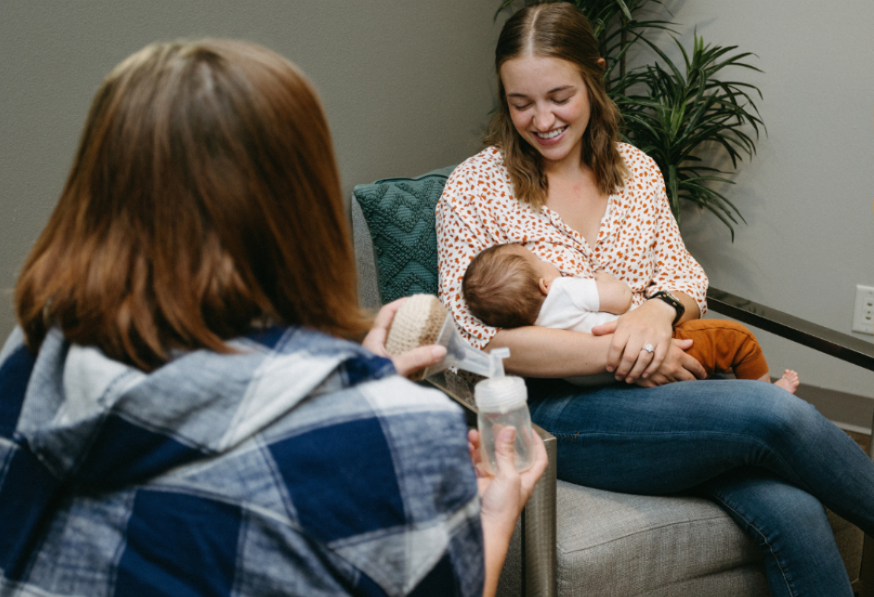
There are two levels of the program. Mom-to-mom matching, which took off during COVID and continues, is particularly useful when a specific type of milk is needed - like when a milk donor mom is dairy-free or gluten-free. Once two mommas are introduced, they meet themselves for the milk exchange.
The more formal program happens on-site at the Iowa center, and additional consent forms are signed.
The milk donors complete disclosure forms including information about medicines they are taking, caffeine they consume, etc. Milk is then dated and labeled with a donor ID that matches their form information. The milk recipient also signs a form that explains the sharing program is not a milk bank (the milk is not tested, and no one is receiving financial compensation for the milk donation).
[Click here to subscribe to Pregnancy Help News!]
This program makes the choice to feed their baby with breastmilk more accessible to moms in financial need who can’t breastfeed.
The center can provide some breast milk storage bags to those who want to continue donating to help defray that cost. Receiving the milk for free is a benefit to moms in need, as milk costs on Facebook exchanges often make the option unattainable for women, and formula is expensive too.
Milk sharing is then a gateway to other services the center offers.
Guiding Star Siouxland makes the milk-sharing program accessible to their current clients, but also to new clients coming in just for this service. When a mom comes in for milk, she also gets connected to the center’s other care programs.
For example, she might need the material assistance program, or desire to take a class. If the mom is breastfeeding but supplementing with donor milk because she is not producing enough, Guiding Star also offers lactation consultants to try to help her improve limited supply.
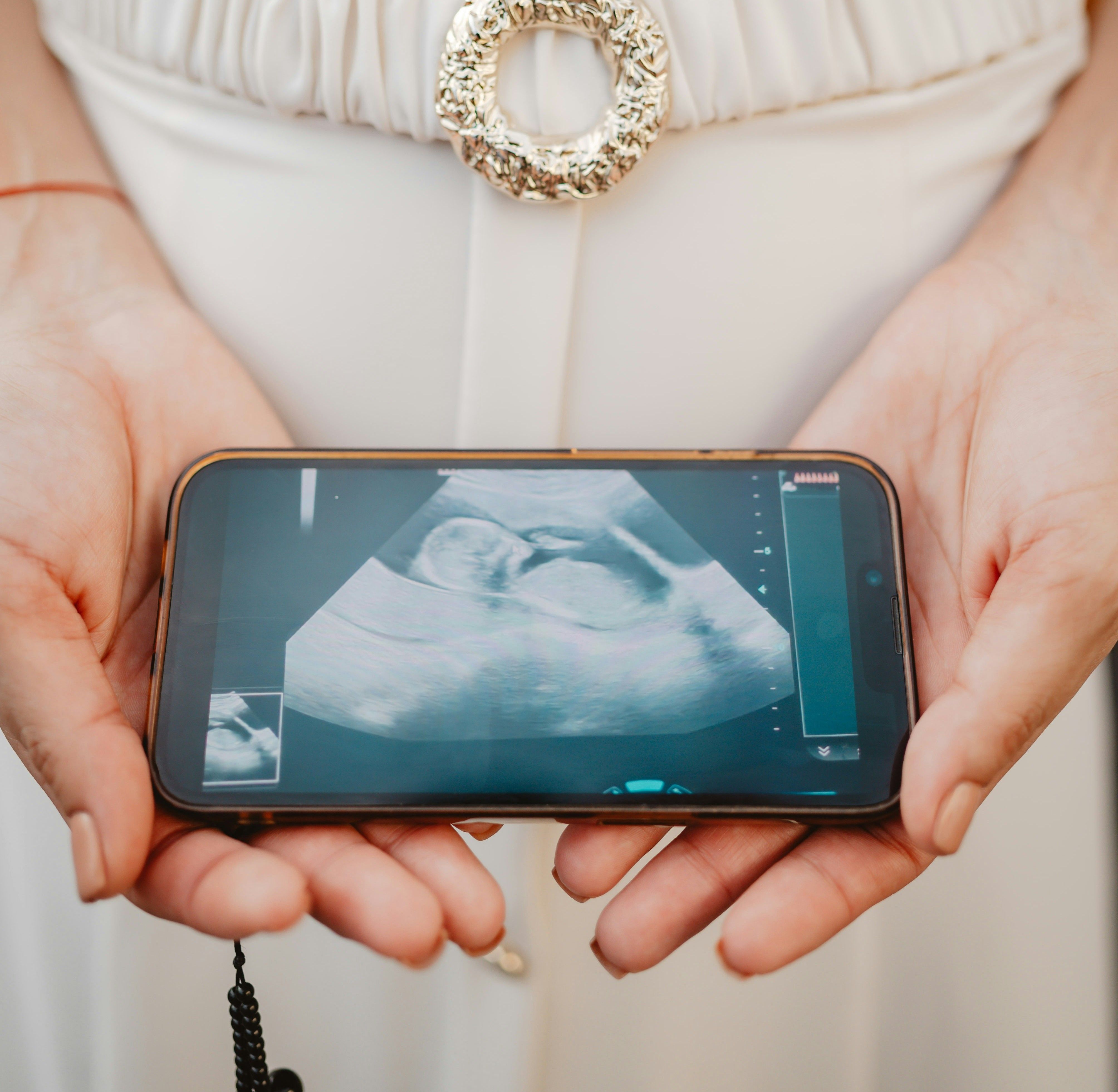
One mom served by Guiding Star came in bewildered that her milk had started drying up when her baby was only six months old. After consultation with the lactation consultant, she took a pregnancy test and found out she was pregnant again. Amid the initial shock of the prospect of having two under two, the mom was in the right place to receive professional pregnancy help. She came back for an ultrasound and took pregnancy and breastfeeding classes. Eventually, she was able to make donations to the center, giving back to others like her.
When women face challenges in their pregnancy journeys, the milk sharing program can create meaning whether in times of joy or sorrow.
For moms who have adopted a baby and weren’t able to breastfeed their adopted child, many have taken advantage of the opportunity to feed their baby breastmilk through the sharing program.
Mothers who have an unexpected late miscarriage or stillbirth often don’t realize their milk can still come in. When this happens, some moms choose to donate the milk as a way to find meaning amid great heartbreak.
Tweet This: Guiding Star Siouxland's milk-sharing program is available to moms in need and provides a gateway to other servIces.
Van Middendorp has seen this firsthand.
“[One mom] pumped for a few months postpartum and gave to a mom in need,” she said. “Those two moms now have this really beautiful connections. It’s such an honor to be a small part of [such a story].”
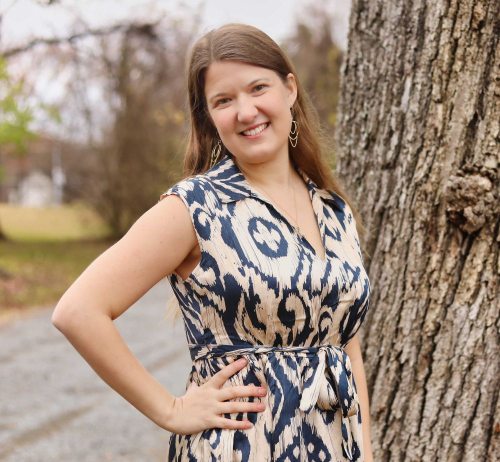
Van Middendorp herself has been both a milk donor and a recipient of the milk sharing program.
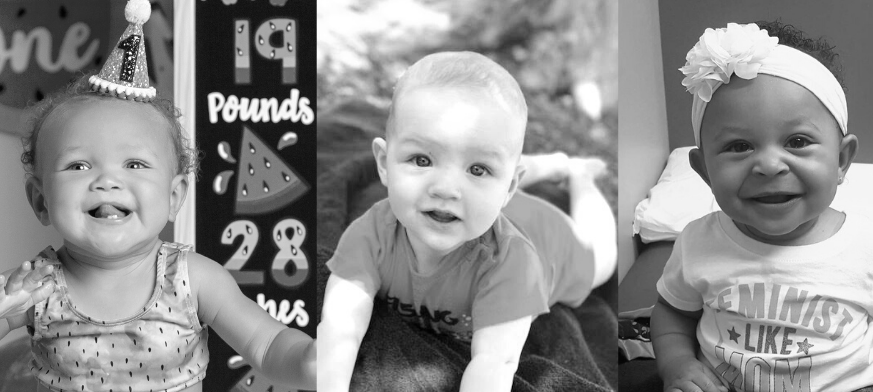
During COVID, her first baby had a tongue tie that was not fixed fast enough to breastfeed easily, so Van Middendorp used the donor milk to feed her baby. She gave back too, becoming a milk donor after her second and third births.
This Iowa community is there serving and feeding moms and babies long after birth. Programs like this demonstrate how pro-life pregnancy help organizations care about moms and babies after babies are born, and accompany those moms and babies, one appointment, one pumping session, and one bottle at a time.